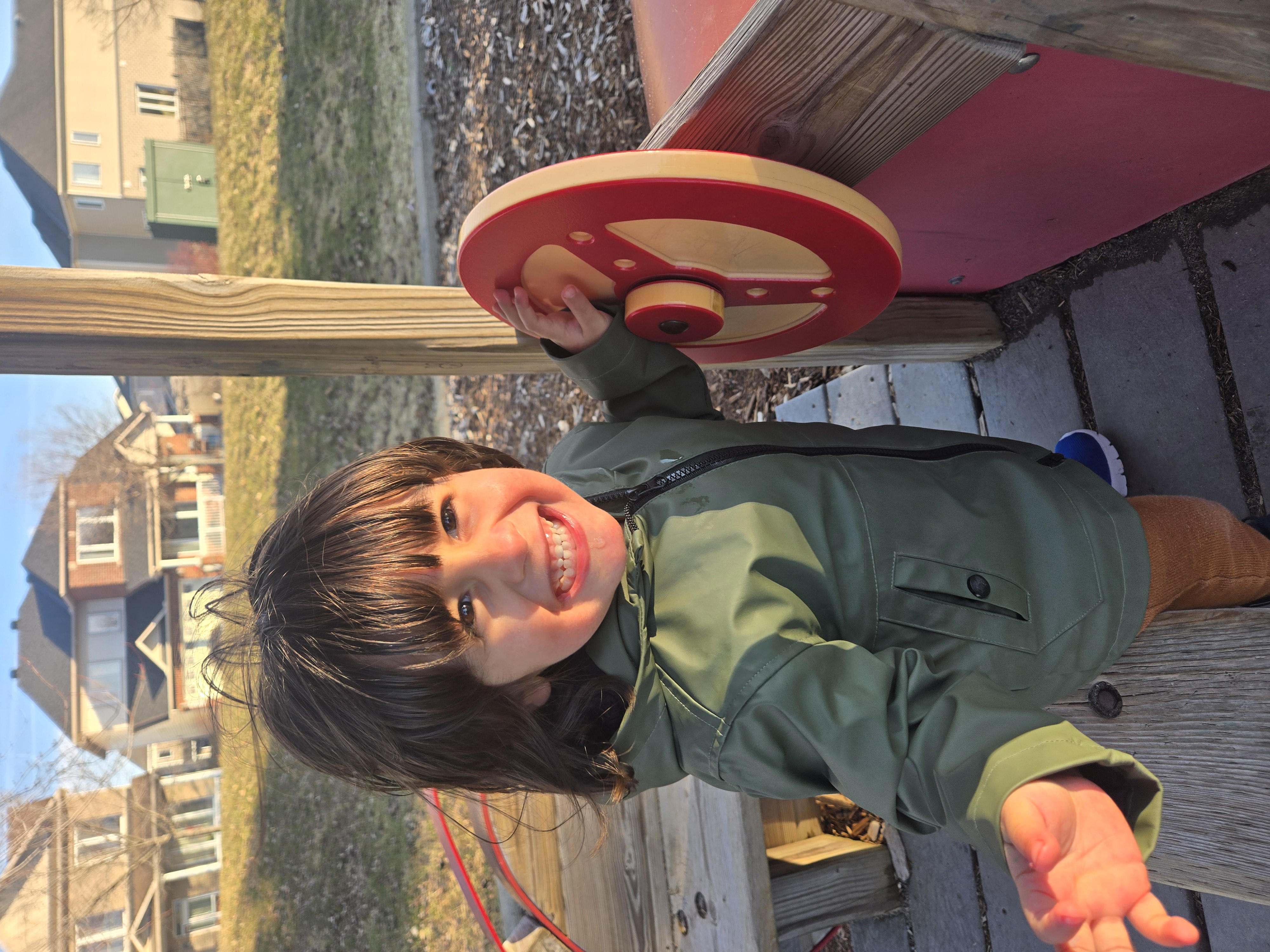
I live in Nepean, Ontario, in Canada, with my mom, my dad, and my three brothers. I love to laugh, to run, and to jump into my dad’s arms. I love making everyone around me smile.
When I was 20 months old, the doctors told my mom and dad that I had something called LGMD-2C. It’s a disease that makes muscles get weaker over time. My mom and dad cried. I didn’t really understand why, but I gave them a big hug..
Right now, I am still running and playing and being me. But my parents know that without treatment, things will get harder. One day, running might become walking. Walking might become sitting. They don’t want that for me. And so they fight — every single day — so that day never comes.
My mom and dad say scientists are working on a medicine that could help kids like me. They are doing everything they can to make sure I get a chance to receive it. We are part of a big family now — CureSGC — and knowing that other people care about kids like me makes my parents feel less alone.
I don’t know all of this yet. I’m still little. But I know that my mom and dad love me more than anything in the world. And I know that I am going to keep running for as long as I can.
I invite you to join me: donate, volunteer, and follow my journey on social media (@hopeforsamy). Your support means the world to me — thank you.
Love,
Sammy
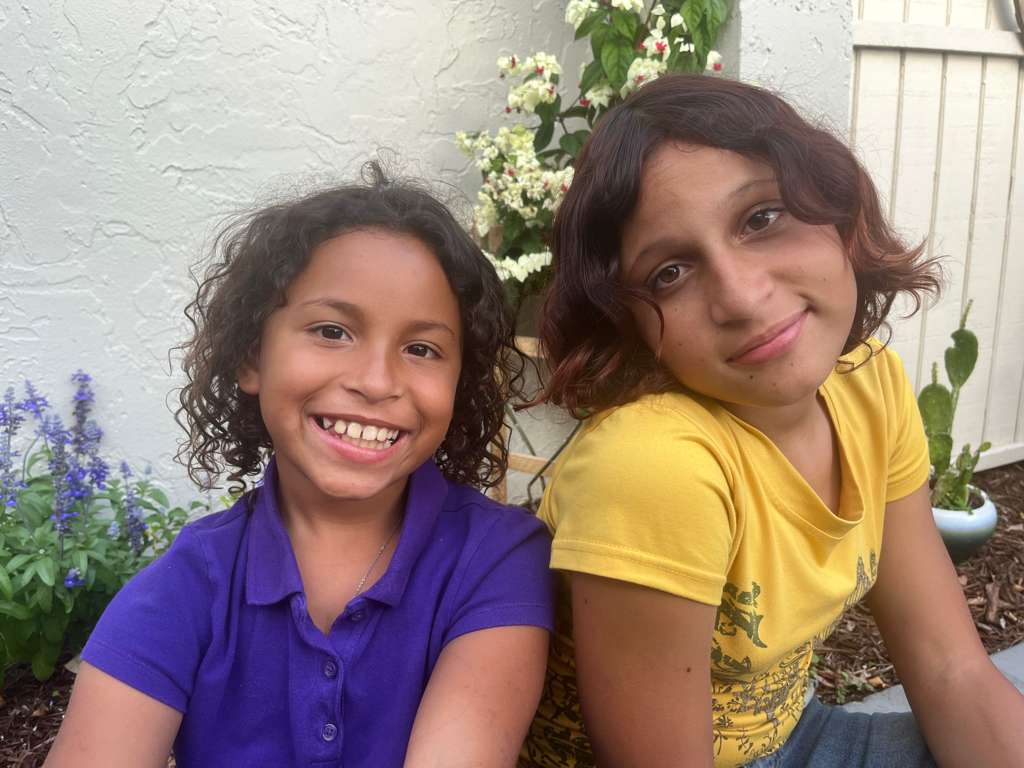
Jayla and Donia are sisters, bound not just by blood, but by a bond that has grown stronger through every challenge life has placed before them. They are bright, creative, resilient girls who love deeply and live fully. They are also both living with Limb-Girdle Muscular Dystrophy type 2C (LGMD2C), a rare genetic condition that causes progressive muscle weakness.
The signs had always been there, the fatigue, the weakness, the unexplained falls, the way exercise took so much more out of them than it seemed to for other kids. We just never had a reason why.
After months of searching, both girls received their diagnosis in April 2025. In many ways, that answer brought relief. It gave us a name for what they were going through, and all of those years of symptoms and struggles made sense. But it also brought a new kind of weight, urgency, fear, and a deeper awareness of what the future might hold.
My youngest, Donia, has been struggling more and more. Like any child, she just wants to keep up with her friends and feel like every other kid, so she pushes through, only to suffer for it later.
By the end of the school day, she can experience significant muscle pain and difficulty walking, to the point where she has needed to rest at school, take a nap, or even be wheelchaired to aftercare because the pain makes it unbearable to walk. Simple moments with friends, a playdate, an afternoon of swimming, or even a bike ride, can leave her exhausted and in pain, and there are times she has no choice but to sit on the sideline and watch.
There are nights when the pain becomes so crippling that Donia looks up at me and asks why she got this disease. It is one of the hardest questions a mother can face. I meet her with as much love as I can give, nightly massages to ease her body, and a close eye on her emotional well-being, because carrying this at her age is a weight no child should have to bear.
Right now, both Jayla and Donia are still walking. They are still ambulatory, and every single day, I hold onto the hope and prayer that it stays that way.
Jayla faces her own challenges. She can no longer run, and riding a regular bike is no longer possible for her. Everyday things that most people never notice, stepping up into a truck, climbing a curb, getting up from the floor, require extra effort or a helping hand.
On top of the physical changes, Jayla is also navigating the natural shifts that come with a growing and changing body, which brings its own difficult days. She carries all of this with a quiet strength that takes my breath away.
As they’ve grown older and more aware of their condition, both girls have begun to hold themselves back. Hearing “I can’t, I’m too tired,” or “My muscles hurt too much” from your child is one of the most heartbreaking things a mother can experience. No child should have to weigh their energy before deciding whether they can play. No child should have to say no to their own life.
And yet, even through all of this, Jayla and Donia remain hopeful. We talk about research together. I share updates when there’s progress. We pray, for treatments, for clinical trials, for a future where LGMD2C is something that can be stopped. They know that people are working hard for them, and that knowledge matters.
By sharing their story, we hope to raise awareness and support the mission of CureSCG, because research is how we change what’s possible. Every study, every discovery, every dollar brings families like ours closer to the day when children like Jayla and Donia won’t have to choose between living fully and protecting their bodies.
That day can’t come soon enough. But we will keep hoping, keep praying, and keep showing up, for them, and for every family walking this road alongside.

When I was 8 years old, I was diagnosed with a disease called LGMD. It stands for Limb-Girdle Muscular Dystrophy. It's a really long name, but basically, it means that my muscles get weaker over time. At first, I didn’t really understand what it meant, but now that I’m 9, I know it’s something that makes doing normal things really hard. I love playing with my friends, but lately, it’s been really tough. My legs get tired super fast, and I can’t run and my friends don’t understand the reason.
I used to be able to swing on the gym bars and play tag, but now I have to sit and watch more often. It makes me feel sad because I miss having fun with them without getting so tired. Even getting dressed is hard. My arms and legs don’t work as well as they used to, so putting on my clothes takes a lot longer. Sometimes, I can’t even get up from the floor by myself. My mom and dad help me a lot. They’re always there when I need them, and they’re doing everything they can to find a way to make me better. We travel to different places and meet lots of doctors. I know they’re trying really hard, and I love them so much for it.
There are so many things I love to do, like drawing and painting. Art is really special to me because it lets me express myself and forget about my disease for a while. I also love playing the piano. The music makes me feel happy and free. My biggest fear is that one day, I won’t be able to do these things I love because my muscles might get too weak. It’s really scary to think about, and I try not to, but sometimes it’s hard.
Every night, I hope that they find a medicine that can help me. I dream about running and playing with my friends without getting tired. I want to be able to do all the things I used to do and not feel left out.
Even though it’s hard, I try to stay positive because I believe that one day, there will be a cure. Until then, I’ll keep doing my best and enjoying the time I have with my family and friends.
Thank you for reading my story.
Love,
Sara
“The only way we move forward is to research. It’s not a process that should ever stop”
“Tom Robinson”